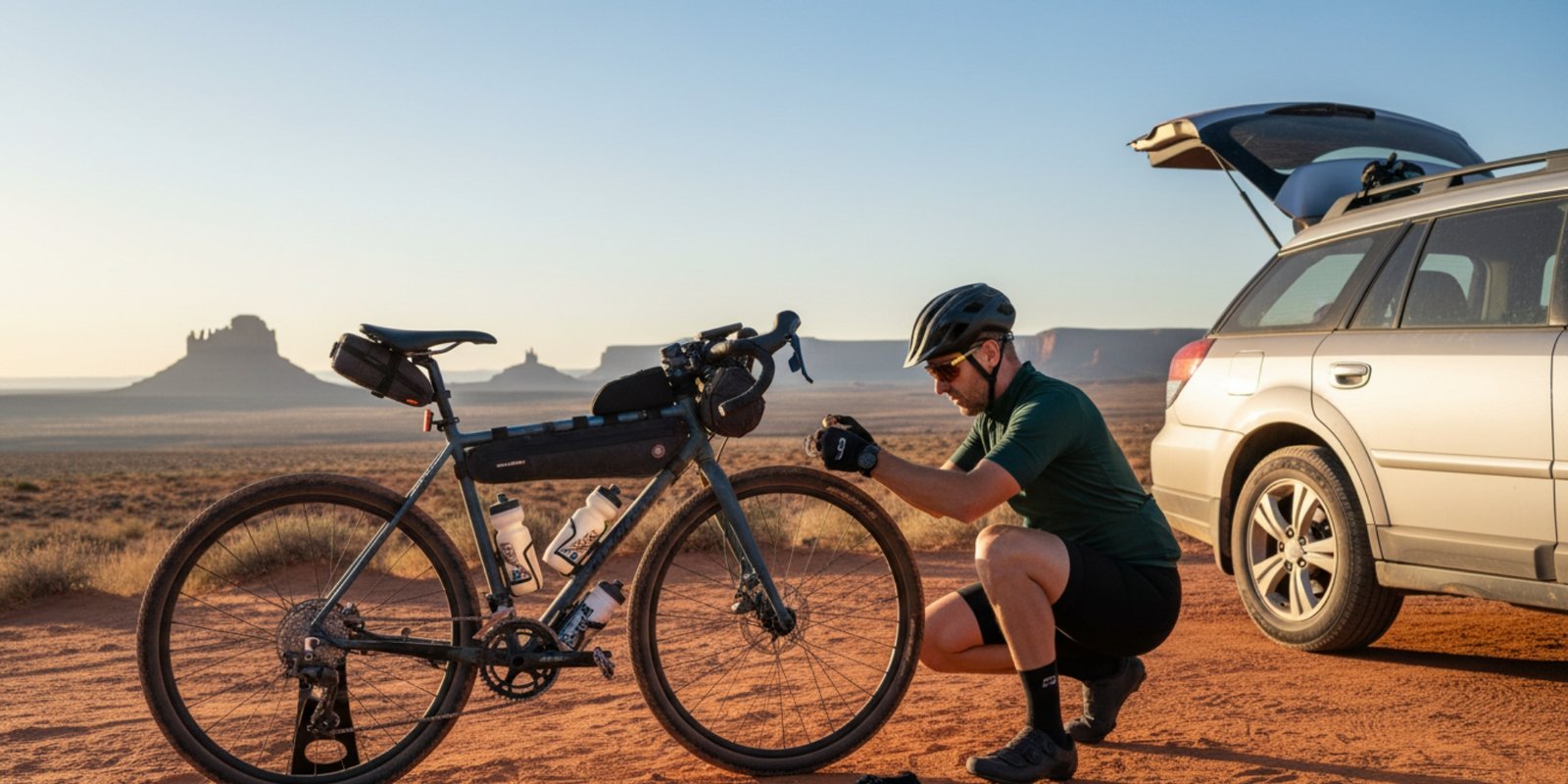
Essential Gear Every New Mexico Cyclist Should Have Before Their First Big Ride
Bike Maintenance, NewsIf you’re planning your first big ride in New Mexico, get ready for some of the most varied terrain in the Southwest. The roads roll through high desert mesas, mountain passes, and long stretches of quiet farmland. But before you take off, make sure you’ve got the right gear. A few smart choices will help you stay safe, comfortable, and ready for whatever the road brings.
A helmet that fits right
A helmet is your first piece of safety equipment, and fit matters more than brand. It should sit level on your head and not slide around when you move. If you’re near Santa Fe, stop by Mellow Velo for personalized fitting help. Riders closer to Albuquerque can visit The Bike Coop for a solid selection of helmets and accessories. You can also browse all Accessories & Apparel Shops on FindABikeShop.com to see what’s nearby.
Padded shorts and gloves
Even short rides feel smoother with a little padding. A good pair of cycling shorts prevents chafing and helps you stay comfortable for longer stretches. Gloves protect your hands from vibration and offer a better grip when things get rough. Sports Systems in Albuquerque carries quality apparel for road, gravel, and mountain riders alike.
Hydration and nutrition essentials
New Mexico’s dry air can sneak up on you. Two full bottles should be your minimum, even for moderate rides. For longer days, a hydration pack can make a big difference. Keep small snacks like bananas, gels, or bars in your jersey pocket so you don’t hit the wall halfway through.
Flat repair kit and basic tools
Every cyclist learns this lesson eventually: if you ride long enough, you’ll get a flat. Carry a spare tube, tire levers, and a pump or CO₂ inflator. A small multi-tool can tighten bolts or adjust your saddle if something slips. Bike World in Las Cruces is a great spot for repair kits and on-the-go tools, and they’ll show you how to use them if you’re new to self-repairs.
Proper bike fit and saddle comfort
If your back or knees hurt after a few miles, it’s probably a fit issue. A professional fitting adjusts your saddle height, reach, and handlebar position to suit your body. Spoke Works Bicycle Workshop in Los Alamos and Mellow Velo both offer fitting services to help you ride longer and stronger. You can also explore more Bike Fitting Services through the directory.
Lights and visibility gear
Even if you’re not riding after dark, a front and rear light make you far more visible to drivers. A reflective vest or small LED clip can make a difference when you’re riding early or at sunset. For safety tips, check out the League of American Bicyclists for advice on staying visible and riding confidently in traffic.
The takeaway
Every rider starts somewhere, and having the right gear makes those first long rides a lot more enjoyable. Whether you’re training for a century or just exploring backroads around Santa Fe, support your local shops and get expert advice from people who ride the same terrain you do. You can find more trusted New Mexico shops through FindABikeShop.com and get ready to enjoy your next ride fully equipped and confident.
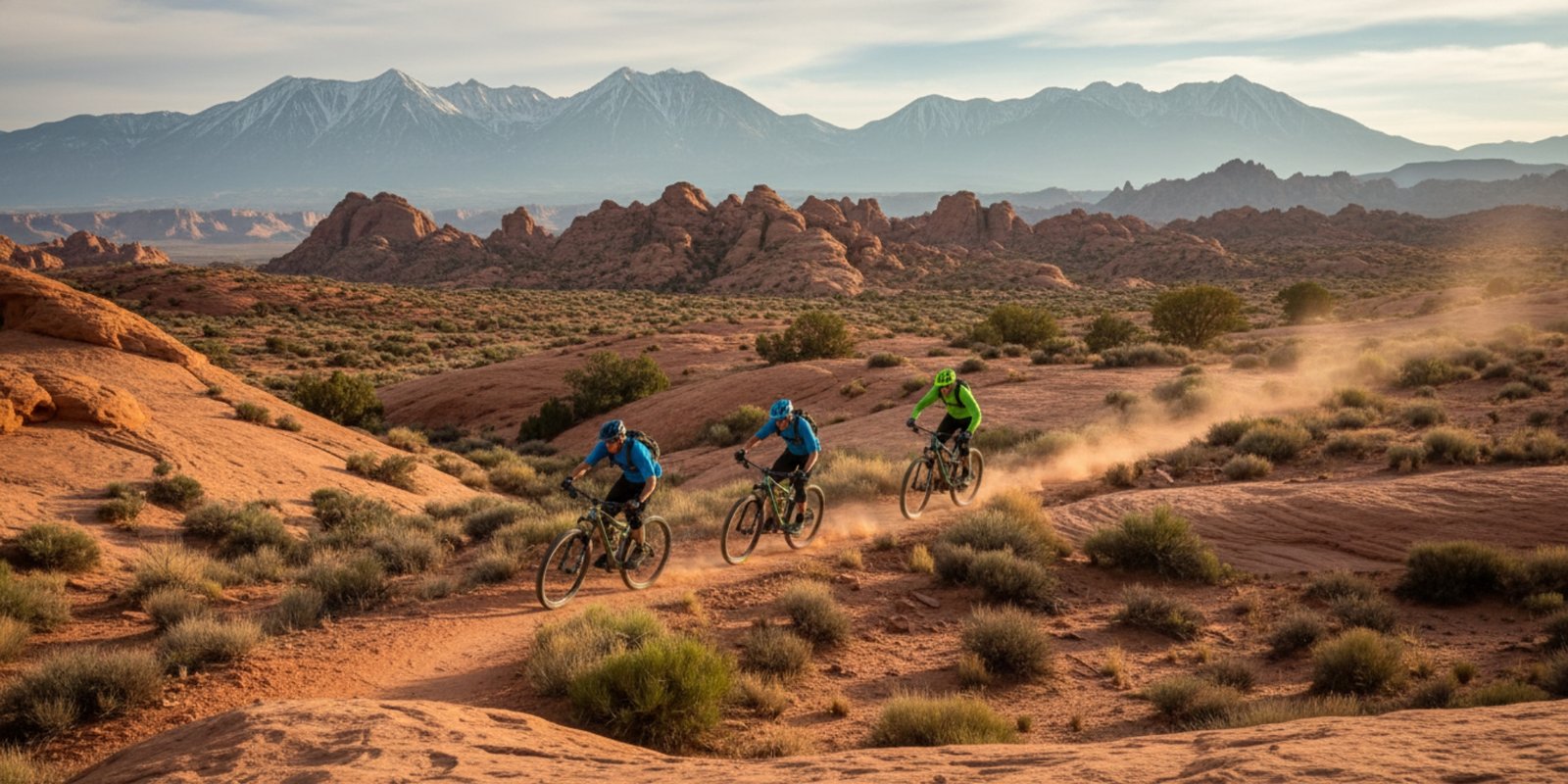
Utah’s Best Bike Trails (and the Local Shops That Keep You Rol
Bike Accessories, NewsUtah has a way of making every ride feel like an adventure. From red rock desert trails to alpine singletrack that climbs above the clouds, the state’s terrain covers just about everything a rider could ask for. Whether you’re into heart-pounding descents or slow scenic climbs, there’s no shortage of routes to explore.
Here are a few of Utah’s best-known bike trails and some trusted local shops that help keep riders ready for anything.
Moab: The classic ride destination
If you ride mountain bikes, Moab is probably already on your list. The Slickrock Trail is world-famous for its mix of sandstone climbs and fast, grippy descents. It feels more like surfing than cycling, and once you’ve ridden it, you’ll understand why people come from around the world to tackle those loops.
When you need local advice or a last-minute tune-up, check out Poison Spider Bicycles in Moab. They’ve been part of the local scene for years and know every inch of the trails in the area. You can also browse more Mountain Bike Shops that service riders heading into red rock country.
Park City: Flow and variety in one place
Park City has more than 450 miles of trails, and most connect directly from town. The Mid Mountain Trail runs through aspen forests and ski terrain with a smooth flow that makes it a favorite for locals. There are plenty of options for all levels, and the network is so well connected that you can make each ride as easy or as long as you want.
For repairs or rentals, JANS Mountain Outfitters and White Pine Touring both have strong reputations among Park City riders.
St. George and Hurricane: Desert trails with big views
Southern Utah has its own personality. Trails like Gooseberry Mesa and Zen Trail combine desert rock with flowy lines and unbeatable scenery. It’s dry, rugged, and fast. The kind of riding that tests your handling and rewards you with views that stretch for miles.
If you need help before hitting the mesa, Red Rock Bicycle Co. in St. George is known for solid service and a friendly local crew. You can also find more Utah listings under Bike Shops Near You in the FindABikeShop directory.
Logan and Northern Utah: Quiet mountain routes
Northern Utah often gets overlooked, but the trails near Logan and Ogden are some of the most peaceful in the state. The Providence Canyon Trail and Bonneville Shoreline Trail are perfect for riders who want a mix of climbing and open views without the crowds.
For quick service before you head out, local riders often stop by The Sportsman in Logan for tune-ups and advice on trail conditions.
Plan your next ride
Utah’s trail network keeps growing every year, and local shops are the backbone of that community. They sponsor events, support trail work, and keep riders on the road when breakdowns happen. You can plan your next ride by exploring the Utah Bike Shops listed on FindABikeShop.com and pairing your routes with the Trailforks Utah trail map.
No matter where you ride, a little prep and a good local shop can turn any trip into the kind of day you’ll remember long after the dust settles.
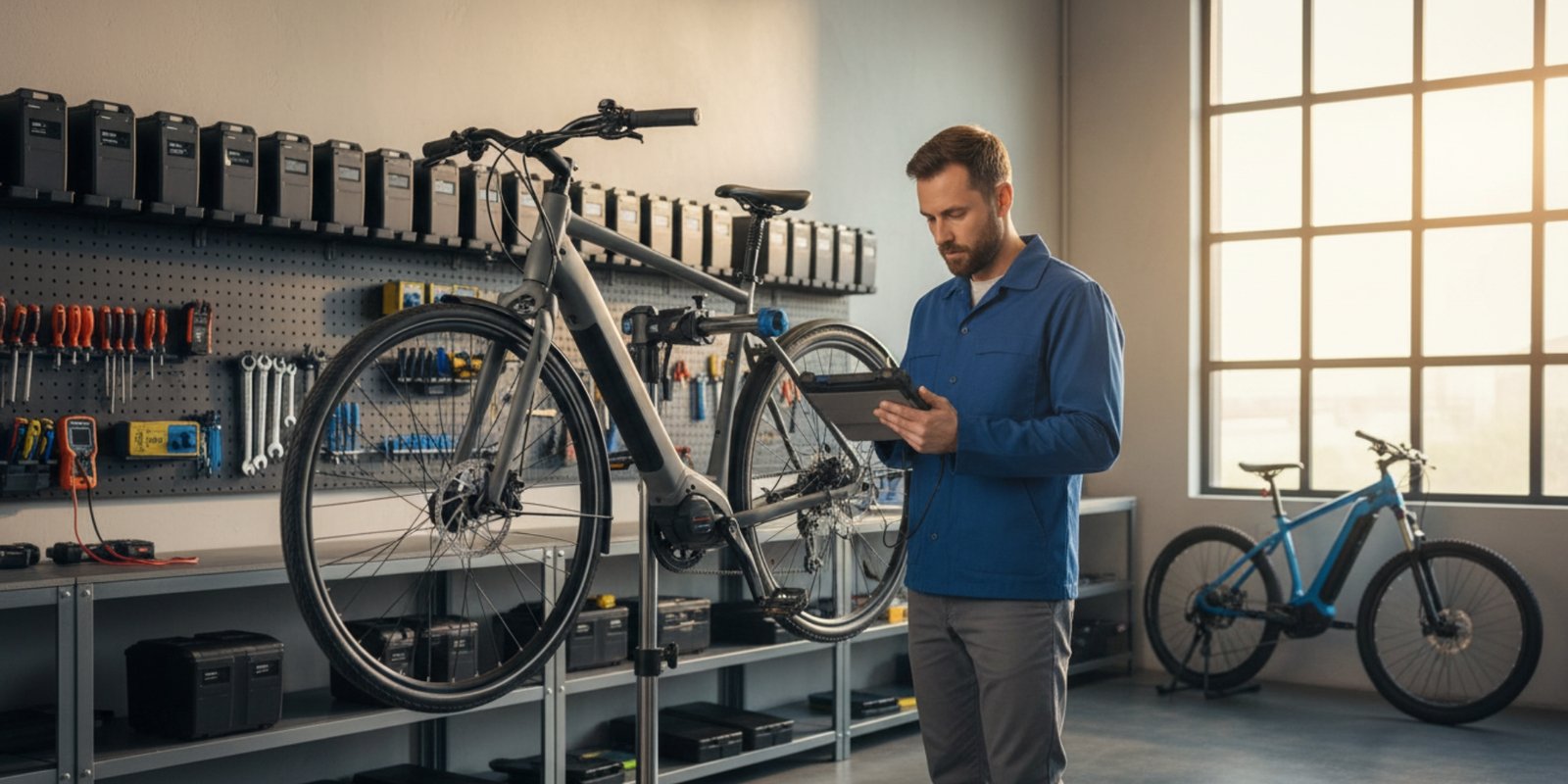
How to Find E-Bike Repair and Battery Service Near You
Bike Maintenance, NewsE-bikes have opened the door for more people to ride: commuters, older riders, and anyone who just wants a little extra help on hills. But keeping an e-bike running smoothly isn’t as simple as a quick tune-up. These bikes rely on motors, sensors, and lithium-ion batteries that need specialized care. Finding a qualified local shop matters more than most people realize.
Not every shop works on e-bikes
E-bikes use higher-voltage systems, and not every mechanic is trained to handle them safely. Some shops only service specific brands or motor systems. Before you bring yours in, call ahead and ask whether they handle the type of motor you have (Bosch, Shimano, Bafang, etc.).
You can browse E-Bike Shops on FindABikeShop.com to see who in your area lists electric service. Many of these shops post details about the systems they support, battery diagnostics, and firmware updates.
If you’re in Arizona, for example, Bicycle Ranch Scottsdale and Flat Tire Bike Shop both have trained technicians who handle e-bike repair and battery issues.
Pay attention to battery health
The battery is the heart of your e-bike. Over time, it loses capacity: usually a small percentage each year depending on how often it’s charged and stored. Avoid leaving your battery fully drained or sitting in direct sunlight for long periods.
If your range has noticeably dropped or the battery doesn’t hold a charge, it might be time for testing. Look for local shops under Battery Service & Repair to find technicians who can inspect or replace it safely.
PeopleForBikes offers solid advice on e-bike battery safety and care if you want to understand how proper storage and maintenance affect long-term performance.
Ask about diagnostic tools
Good e-bike shops use diagnostic software to read error codes and update firmware, similar to how a car mechanic runs a system scan. That’s something you can’t do at home with a simple toolset. A quick diagnostic session often reveals small problems before they become big ones, like controller issues or damaged sensors.
Keep it local for convenience and trust
One of the best reasons to go local is accountability. When you have a relationship with a nearby shop, you’re not mailing parts to an unknown warehouse or waiting weeks for support. You can stop in, describe the issue, and get real answers from someone who knows your setup.
Whether you need a new charger, a replacement motor cable, or just a quick tune-up, supporting your local mechanic helps keep expertise in your community.
The takeaway
E-bikes are built to last, but only if they’re cared for by the right hands. Finding a shop that understands both the mechanical and electrical sides of your bike keeps you riding safely and extends the life of your investment.
Start by exploring local E-Bike Shops on FindABikeShop.com and check who offers certified battery service near you. A few quick clicks can save you a long walk home when your motor decides to take the day off.
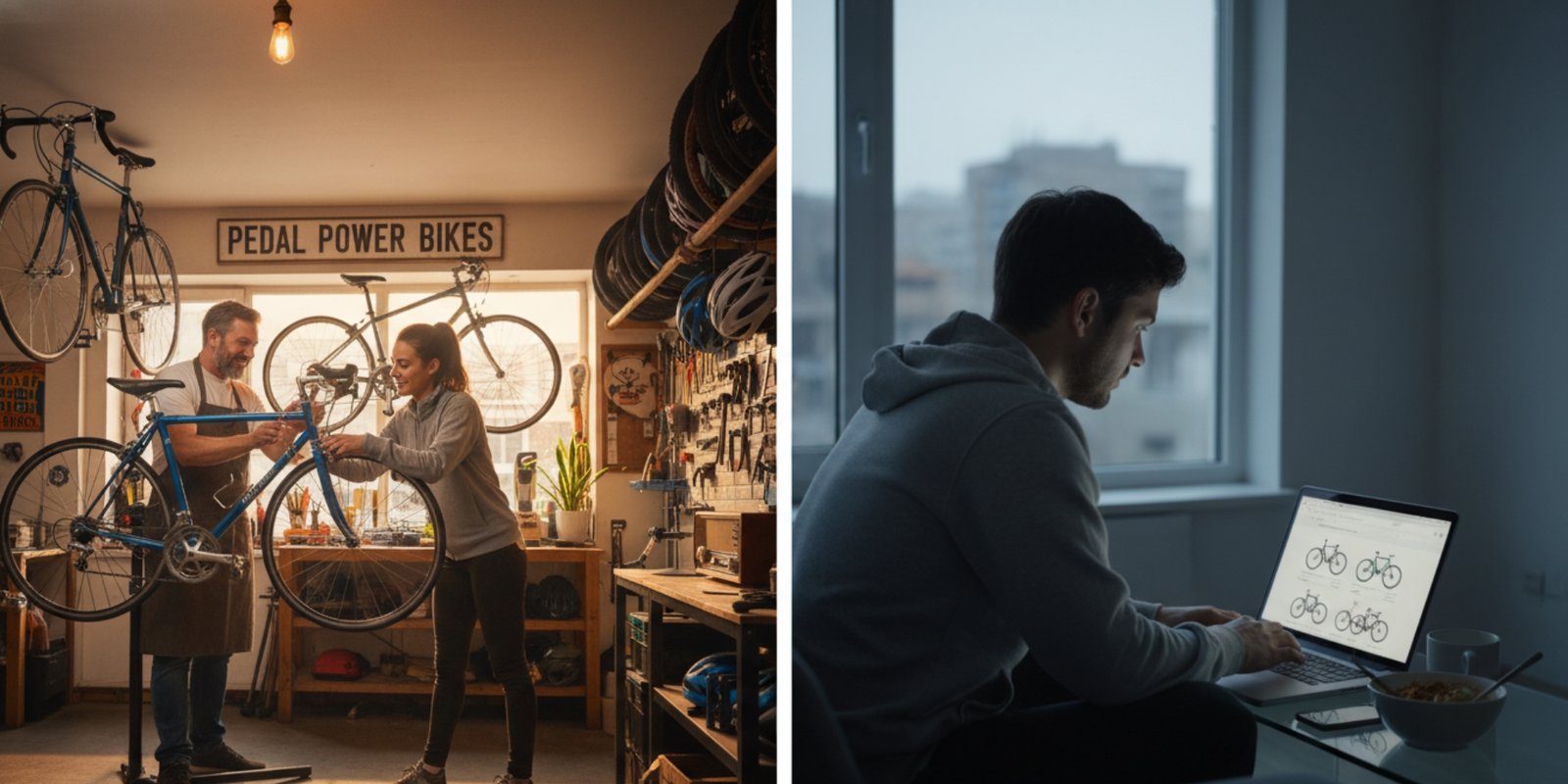
Local Bike Shops vs. Online Retailers: Why Buying Local Still Matters
NewsIt’s easy to get lost scrolling through endless online bike deals. A few clicks, free shipping, maybe a discount code. It all looks pretty good. But buying a bike isn’t like buying a new pair of shoes. When you’re putting down money for something you’ll depend on every ride, the local bike shop still plays a role that the internet can’t replace.
Real service, not just a shipment
When you buy online, your “assembly required” notice is usually buried somewhere in the fine print. Most bikes don’t arrive ready to ride — they need adjustments, proper torque on bolts, and a tuned drivetrain before they ever hit the road. A good local shop handles all that for you and stands behind the work.
That’s one reason so many riders still prefer buying from a nearby shop listed in the FindABikeShop directory. If something creaks, rattles, or doesn’t feel right, you’ve got someone local to help, not a shipping label and a long return window. You can even stop in for regular repair and maintenance services to keep your bike running like new.
Fit and feel matter more than specs
Online, you can compare frame materials, drivetrains, and tire widths all day, but none of it tells you how a bike actually feels under you. Local shops let you test-ride different models and get help with sizing, which can save you a lot of frustration later.
If you’re between sizes or unsure about geometry, that 15-minute chat with a mechanic or sales tech can be the difference between a bike that collects dust and one you ride every week.
You’re supporting more than a store
Every time you spend money at a local bike shop, you’re also supporting the community that keeps cycling alive — the people organizing trail cleanups, sponsoring youth races, and helping new riders get started. According to research from the Institute for Local Self-Reliance, a higher percentage of money spent at local businesses stays within the community compared to national retailers.
Those dollars help fund the same parks, paths, and local events that make riding more enjoyable for everyone.
When online still makes sense
Of course, buying online has its place. It’s great for accessories, spare parts, or gear you already know fits. Many local shops even sell online now, offering pickup or delivery through their own sites. The key is finding a balance — using the convenience of the internet without losing the hands-on expertise of your local shop.
The takeaway
A local bike shop isn’t just a store; it’s a hub for riders. The people there know the trails, the routes, and the quirks of the area because they ride them too. Before you click “add to cart,” check out who’s nearby. You might find that the best deal isn’t the one with free shipping — it’s the one that keeps you rolling safely and keeps your community thriving.
Browse nearby listings on FindABikeShop.com to see which local shops are worth a visit.
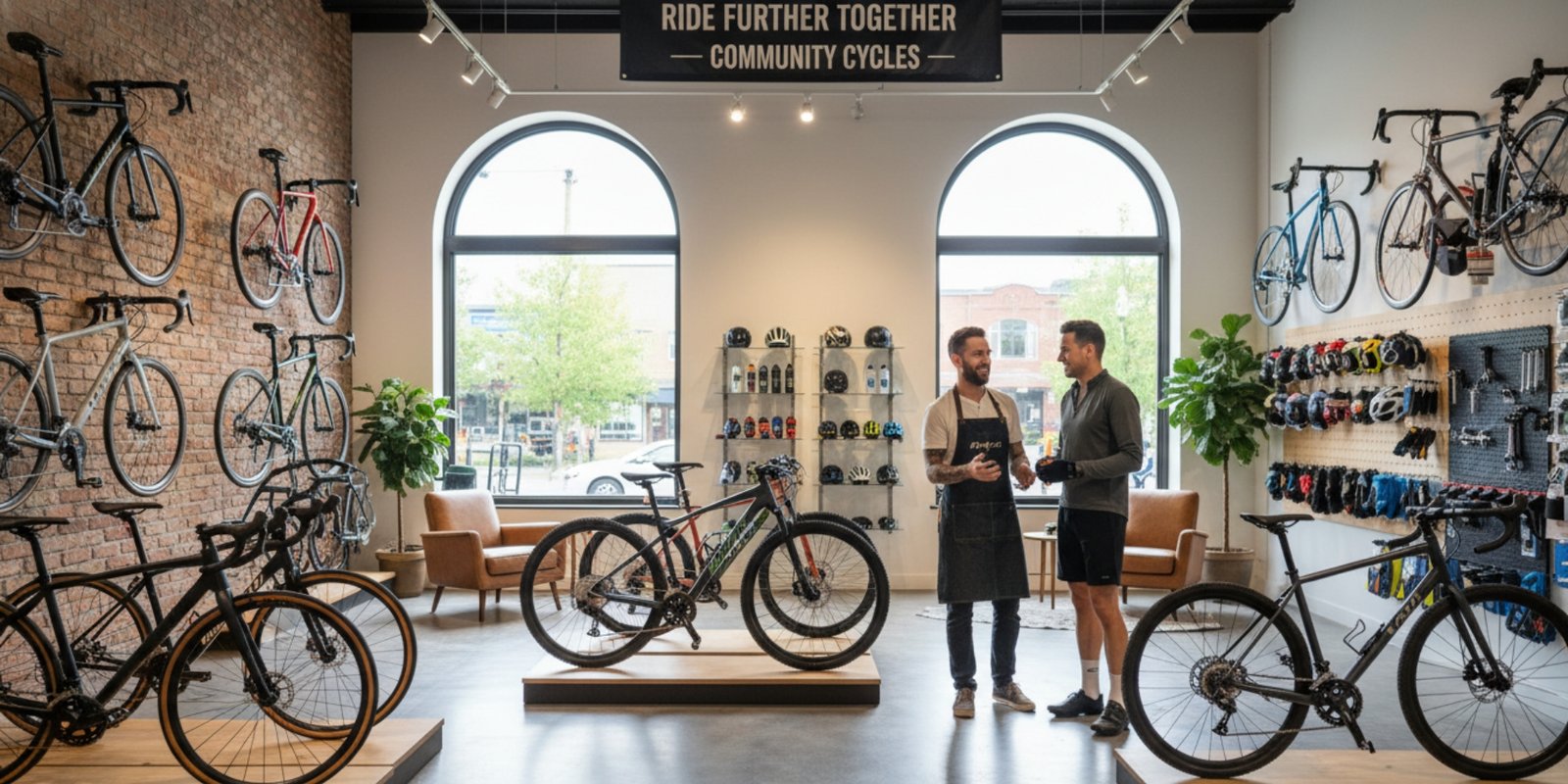
How to Choose the Right Bike Shop
Bike Accessories, NewsPicking a bike shop isn’t as simple as finding the closest one on Google Maps. Some shops are great for new riders, others cater to hardcore racers or gravel junkies, and a few just sell bikes without much personal service. If you ride often, it’s worth finding a place that feels like a home base.
Talk to the people, not the logo
Walk in and see how it feels. Do they greet you, or do you stand there awkwardly while someone scrolls on a phone? The best shops take time to ask what kind of riding you do before recommending anything. A quick chat can tell you a lot about whether they’re genuinely interested or just trying to move product.
If you’re new to cycling, check out how bike fitting services work. Getting the right fit makes more difference than most people realize. For a simple overview, REI has a solid bike fit guide that breaks it down without the jargon.
Look at the variety
A solid local shop usually carries a mix. Maybe Specialized, Trek, Giant, Cannondale, or a smaller brand like Pivot or Santa Cruz. If they only sell one brand, it’s harder to compare. A few minutes browsing the road bike shops and mountain bike shops in our directory will give you a sense of who carries what around your area.
Ask about service turnaround
Every shop says they do tune-ups, but the good ones can tell you exactly what’s included, how long it’ll take, and what it’ll cost. A posted service menu or a printed sheet near the counter is a good sign. Some shops even have annual maintenance programs that include priority scheduling. You can find local repair and maintenance shops listed on FindABikeShop if you’re looking for one that does quick turnaround work.
See what they do outside the store
The shops that really stand out are the ones that give back—organizing group rides, sponsoring races, or helping with local trail cleanups. That stuff tells you they’re invested in the community, not just the sale. If you’re in Arizona, a lot of shops post events through BikeArizona.org or on their own social feeds.
Check their rep
Before you commit to a big purchase, read the reviews—but not just the five-star ones. Look for patterns. If you see the same mechanic or salesperson mentioned by name more than once, that’s usually a good sign.
Bottom line: pick a shop that listens, supports your goals, and feels like a place you’ll actually want to hang out. You can browse the FindABikeShop directory to see what’s nearby and get a feel for who does what. Then go visit a few. You’ll know when you’ve found the right one.