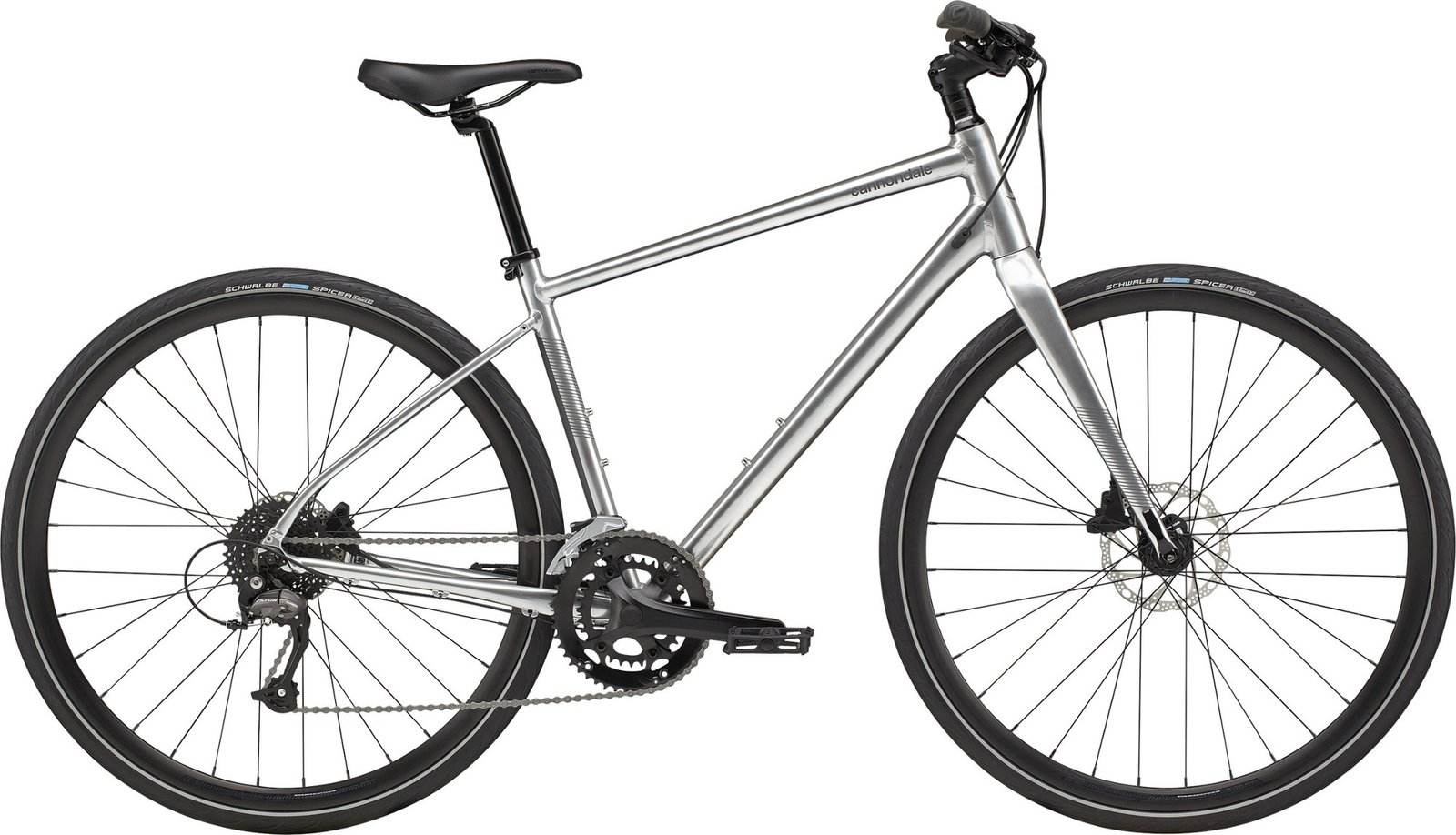
Comfort & Hybrid Bikes: Pros and Cons
Comfort & Hybrid BikesComfort and hybrid bikes are designed for casual riders, commuters, and those looking for an easy, upright cycling experience. They blend features from road bikes, mountain bikes, and cruisers to create a versatile option suited for a wide range of environments—especially paved paths, neighborhoods, and city streets. Below is a closer look at the advantages and drawbacks of comfort and hybrid bikes.
Pros of Comfort & Hybrid Bikes
- Comfortable Riding Position
These bikes feature an upright geometry and wide, cushioned seats that reduce strain on the back, shoulders, and wrists. Swept-back handlebars and relaxed frame angles make them ideal for leisurely rides and everyday use. - Easy to Ride
With a stable frame and intuitive controls, comfort and hybrid bikes are accessible for riders of all experience levels. They often come with simple gearing systems that make short climbs and flat routes easy to handle without overwhelming new riders. - Versatile Use
Hybrid bikes, in particular, are designed to perform on a mix of surfaces—such as pavement, bike trails, and compact gravel. They’re popular for commuting, light fitness riding, and errands around town. - Medium-Width Tires for Smooth Rolling
Wider than road bike tires but narrower than mountain bike tires, hybrid tires offer a smooth and stable ride without sacrificing too much speed. They absorb small bumps and provide grip without unnecessary resistance. - Low Maintenance and Practical Features
Many comfort and hybrid bikes come equipped with racks, fenders, kickstands, and built-in mounts for accessories. Their simpler drivetrains and rim or disc brakes are generally easy to maintain.
Cons of Comfort & Hybrid Bikes
- Not Built for Speed
Compared to road bikes, comfort and hybrid bikes are slower due to their upright posture, wider tires, and heavier frames. They’re better suited for steady cruising than fast-paced riding. - Limited Off-Road Capability
While hybrids can handle light gravel and park trails, they’re not made for rugged off-road terrain. Riders who plan to tackle technical trails or rough paths may find their limitations quickly. - Bulkier Design
The comfort-focused frame design can be bulky or awkward for storage or transport, especially models with step-through frames or added accessories. - Less Performance at Higher Effort Levels
For those who plan to ride long distances, climb hills regularly, or prioritize athletic training, a hybrid may feel underpowered compared to a road or performance bike.
Comfort and hybrid bikes are a smart choice for riders who prioritize ease, comfort, and flexibility. They fill the gap between cruisers and performance bikes, offering a balanced option for everyday transportation and casual recreation.